Bringing a 600-Player Battlefield to the Global Stage
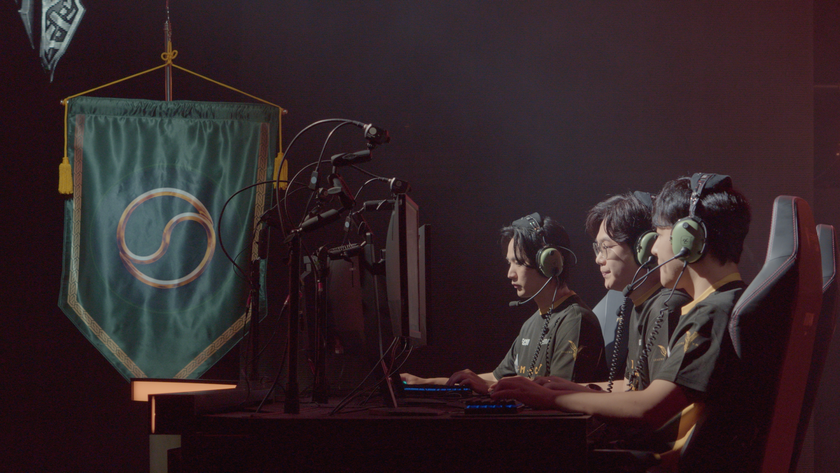
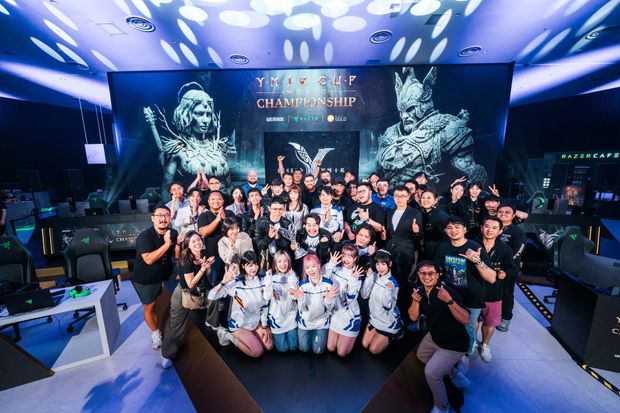
February 28, 2026, Razer Headquarters in Singapore. Server Battles, a core feature of Legend of Ymir, made its debut on the global esports stage. Up to 600 players battled simultaneously on a single battlefield, and the match was broadcast live on four platforms: YouTube, Twitch, Facebook Gaming, and Bilibili.
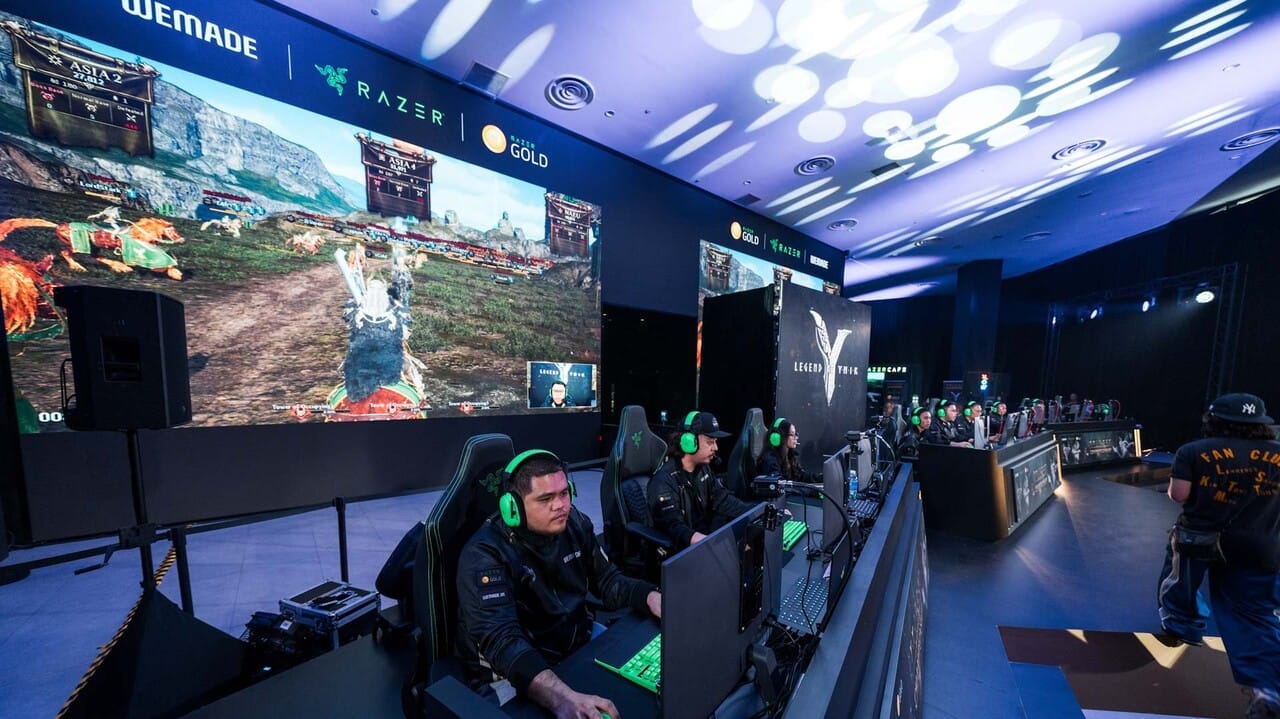
If we just listed the results, it would be a neat, single line. But behind that single line lay the preparations we built from scratch without a manual to refer to, and the decisions we had to make anew at every moment. We had to find a way to transfer live data to the tournament’s dedicated server, connect the on-site venue in Singapore with global online participants on a single battlefield, and turn the 600-player battlefield into a “spectator sport.”
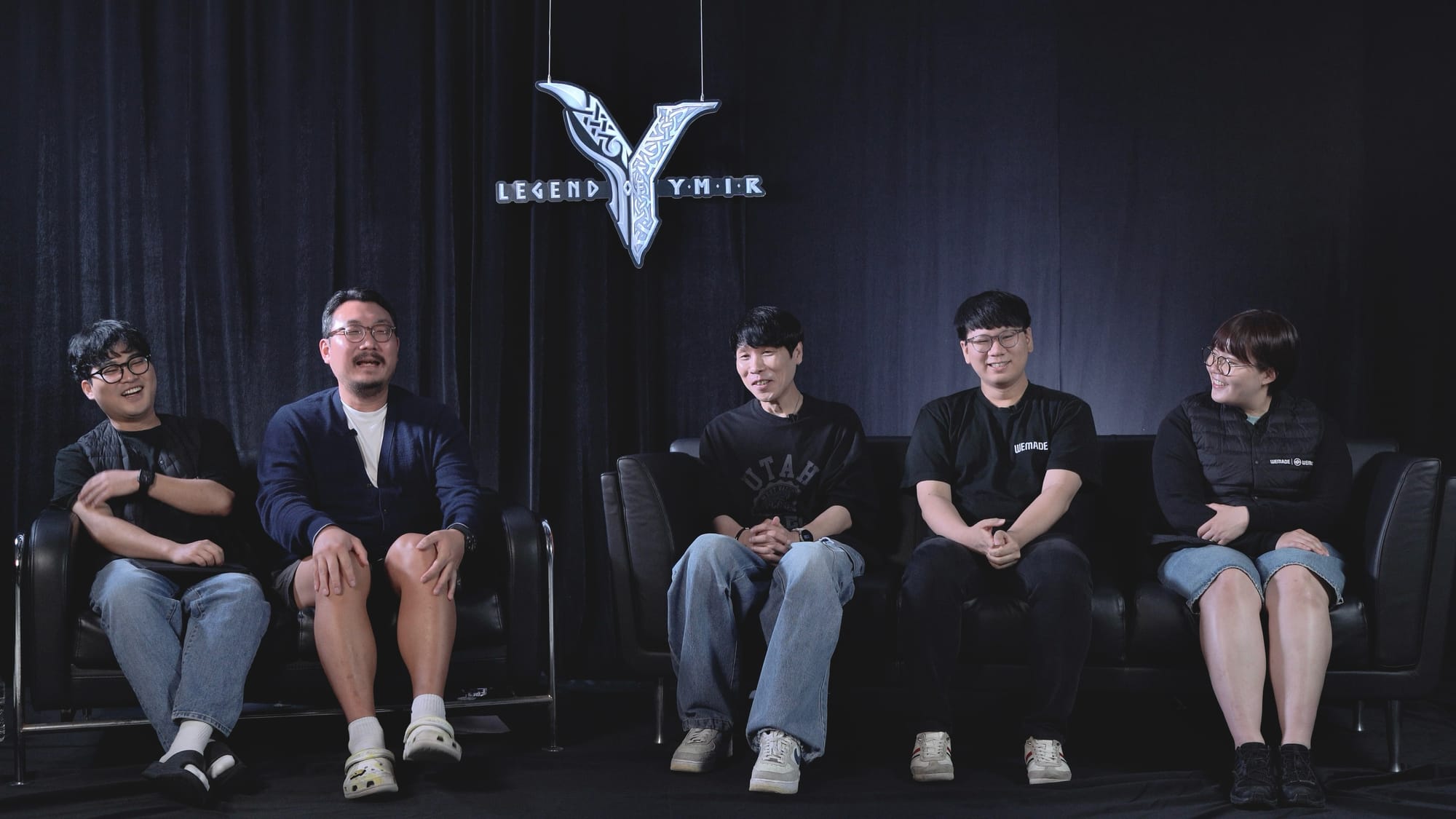
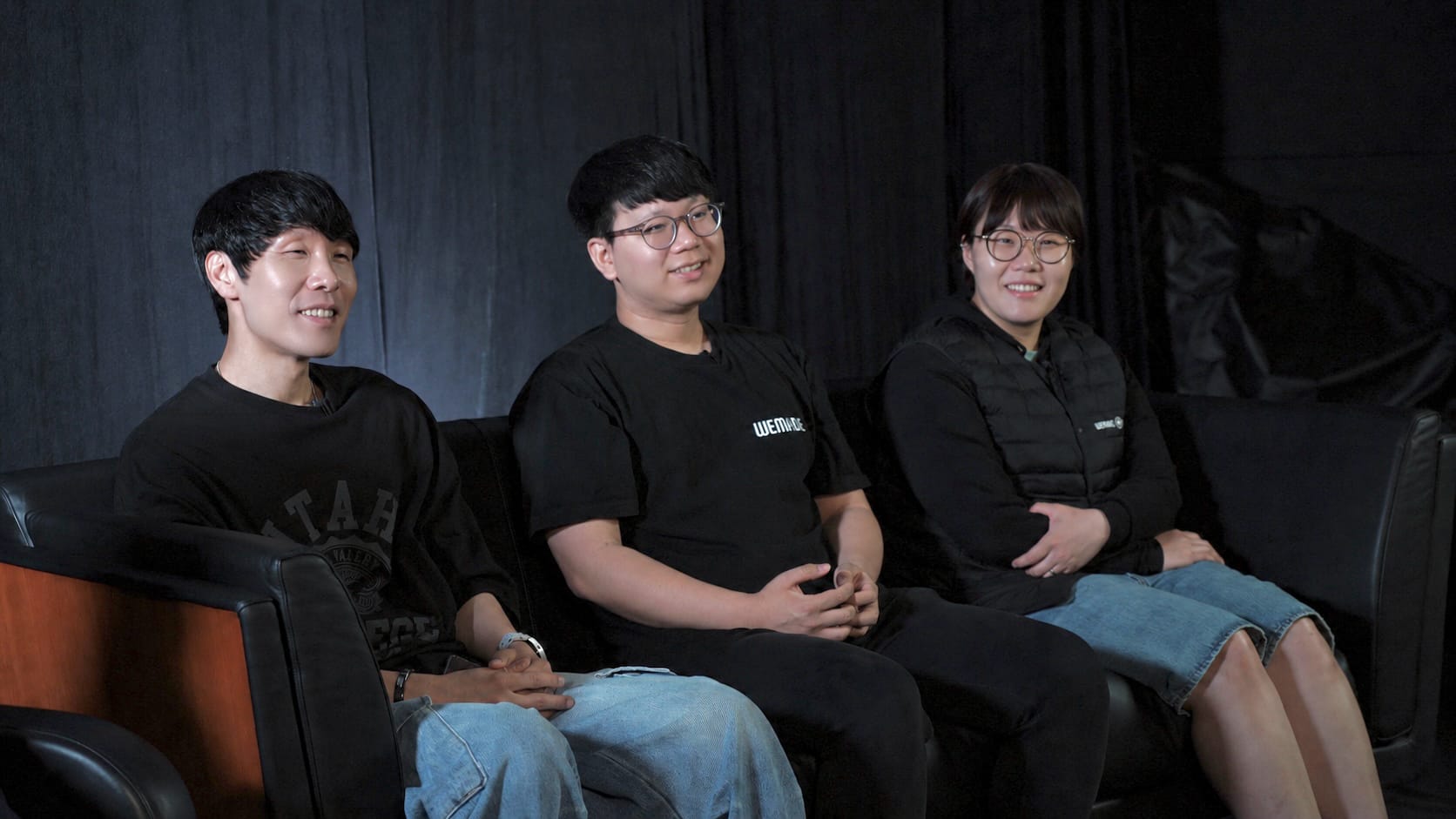
The five people who were most closely involved in creating YMIR Cup World Championship Season 1 gathered together to look back on that day.
Of All Genres, We Picked the Hardest One
First, there’s one fact we need to address. The idea of turning an MMORPG into an esports title has long been considered nearly “impossible” in the gaming industry.
The reason lies in the nature of the genre.
In esports disciplines that work well, both teams generally start on an equal footing. The factors that determine victory or defeat are team strategy, reaction speed, and split-second decisions. How much time and in-game currency a player has invested in the game up to that point holds little significance on the battlefield.
MMORPGs, on the other hand, are different.
Each player’s character level, equipment, skills, build, and clan composition are all unique. And those differences directly translate into combat power.
That’s why, when organizing MMORPG tournaments, organizers often choose to remove the genre’s core variables. This involves reducing the number of players, standardizing equipment and progression conditions, and restructuring the battlefield to make it more controllable. Even though large-scale battles are the core appeal of MMORPGs, the moment they become a tournament, that very appeal is stripped away, effectively creating a “non-MMORPG within an MMORPG.”
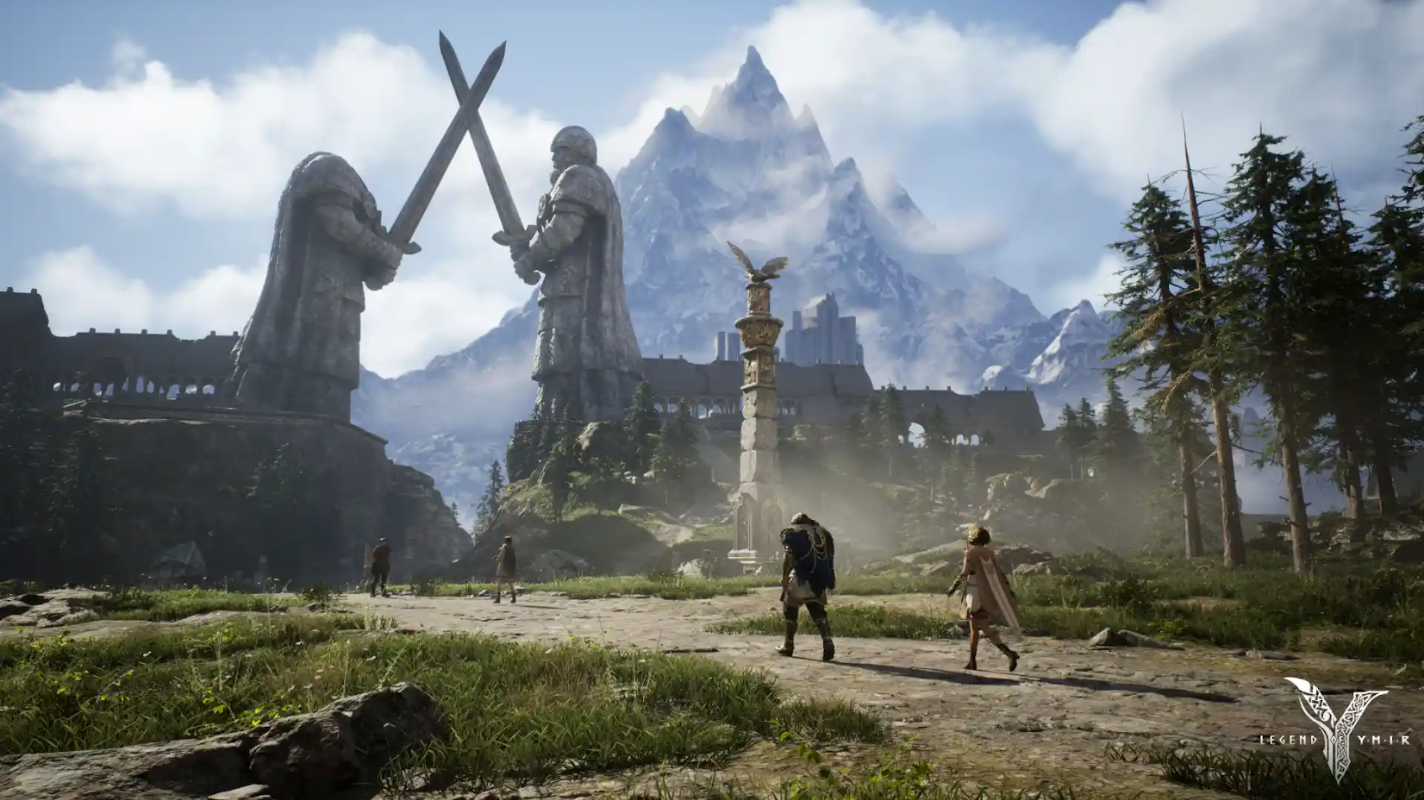
The YMIR Cup World Championship Season 1 took a slightly different approach. Instead of leveling the playing field, it brought a large-scale battlefield to the stage, complete with differences in level, equipment, clan composition, and server-specific power dfferences. The challenge was clear. This was because the team had to create criteria that would make the tournament convincing as a single competition while still preserving the value of the progress players had built up.
Jang Min-hoon, the Assistant Manager in charge of live operations, said this was the first thing that came to mind.
In traditional esports, both teams usually start from scratch on equal footing. But in MMORPGs, a character’s strength varies depending on their level and equipment at a given point in time. My biggest concern was how to implement this in a way that would be acceptable to players during the tournament.
The Three Challenges We Faced: Fairness, Stability, and Spectator Appeal
Team Leader Lee Jae-won, who oversees the global operations for Legend of Ymir, summarized the three main challenges he faced while preparing for Season 1.
Fairness. Stability. Spectator appeal. We prioritized these three aspects above all else.
How can we create a tournament environment that everyone finds acceptable, based on character data from a specific point in time?
How could we stably operate a battlefield where 600 players clash simultaneously?
And how could we make these complex battles into matches that viewers could understand?
None of these three challenges had easy answers. Ultimately, Season 1 was a process of finding those answers through trial and error.
Fairness: Which Version of the Character Should Be Used in Battle?
In an MMORPG, characters are never static. A character’s stats, equipment, skills, and clan composition continue to change right up until the start of the tournament. Therefore, deciding which point in time to use as the basis for the data was a matter directly tied to the fairness of the tournament.
The most ideal scenario would be to reflect the data exactly as it was at the moment the tournament began. However, that was physically impossible. Legend of Ymir is normally operated in region-specific server environments. It is not structured so that players from different regions meet on the same battlefield. Yet, in the World Championship, servers and clans representing each region had to compete on a single tournament stage.
It took time to gather, verify, and stabilize data that would not normally be combined in one place.
If the data were locked too early, participants might feel that the latest conditions weren’t reflected; conversely, if the data were finalized too late, there wouldn’t be enough time to thoroughly verify it on the tournament servers.
Therefore, the World Championship finalized the data based on a point in time approximately three weeks before the tournament and announced this in advance.
Min-hoon explained this decision by drawing a parallel to offline sports.
In traditional sports, athletes are sometimes selected based on rankings from a month before the competition, right? We did the same. While respecting the results of live competition as much as possible, we finalized the data at a point when it could be reliably reproduced on the tournament servers. That was our criteria.
The finalized data was immediately transferred to the tournament-dedicated server. To be precise, a separate build was created specifically for the World Championship. Using a standalone client for tournaments is not an uncommon practice in other esports either.
The problem is that this build starts out as an “empty arena.” The arena is ready, but the character data for the players who will battle within it has not yet been loaded.
Here is Jae-won’s explanation.
The tournament build itself doesn’t contain any character data. So, we have to accurately copy the character information, equipment, and skill configurations finalized in the live service—but this process takes longer than expected and must undergo rigorous verification. It’s not just us who verify this; the participating players also needed to go through a step to personally verify whether ‘their characters had been imported correctly.’
Preparations weren’t complete just because the data had been transferred to the tournament server. Participants had to actually log in to confirm that their character information, equipment, skills, and clan composition were correctly reflected. The operations team also inspected every aspect of the actual match flow—from entering the arena, forming parties, and moving around to combat and reconnecting—to ensure there were no issues.
Preparations were also made in advance to ensure fairness.
In large-scale PvP, abnormal play or cheating can directly affect the outcome of a match. In particular, the YMIR Cup World Championship was a tournament that did not level the playing field but instead showcased the growth players had accumulated and the power disparities between servers. Therefore, the key was to ensure that these disparities played out in a fair and legitimate manner.
The operations team worked with the QA organization to establish inspection criteria and monitoring methods well before the tournament began. Rather than relying solely on post-match reviews of match logs, we established a response system to quickly identify unusual patterns starting from the pre-match preparation phase. We also defined the roles and procedures among the responsible teams in advance so that we could immediately investigate any situations where problems were suspected.
Ultimately, fairness did not end with the accurate transmission of data. We had to continuously verify that the environment remained fair throughout the tournament. Since this was a competition that did not aim to eliminate disparities, it was even more important to uphold trust that those disparities were functioning fairly.
Stability: Ensuring a 600-Player Battlefield Can Hold Up
After establishing standards for fairness, the issue of stability awaited us.
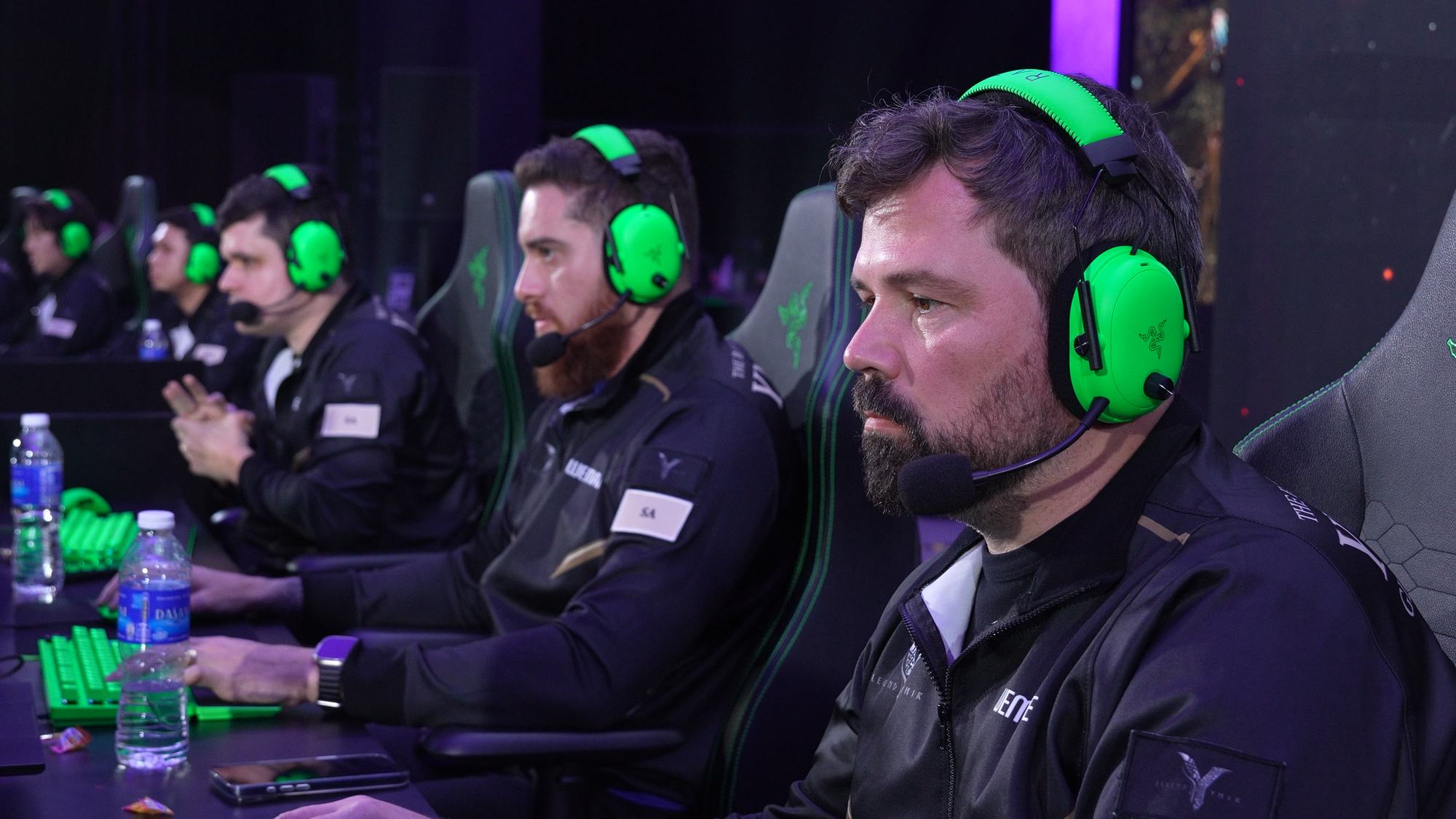
The challenge faced by Manager Choi Min-ji, who was in charge of infrastructure operations, was the load generated the moment 600 players gathered on a single battlefield.
The number 600 isn’t just a simple count of concurrent users. When hundreds of players gather in one place, movement, skills, hits, buffs, debuffs, deaths, revivals, and combat logs accumulate explosively within a short period of time.
During the final testing phase, it was determined that a higher CPU clock speed was needed, so the infrastructure operations team reconfigured the servers based on the Singapore region, which supported those specifications. They reconfigured the servers right up until the night before the tournament and repeatedly ran load tests assuming 600 players.
It wasn’t enough for the servers to simply hold up. We also had to verify that battles proceeded normally and that character position synchronization and skill detection remained stable even when players were concentrated in specific areas.
Combat concentrating at strategic points is the inevitable nature of server battles. The tests were conducted under the assumption that players would be concentrated at a single strategic point, rather than spread out widely. However, that very spot was also the most crucial engagement scene for the broadcast. The moment when the server is under the most strain is also the scene viewers are most eager to see.
The stability test thus evolved into a spectator experience test.
Viewing Experience: Fighting Well and Seeing Clearly Are Two Different Things
I’ve experienced this firsthand. When I first watched a broadcast, I couldn’t tell at a glance which side was winning. Just distinguishing between allies and enemies on a screen where hundreds of players were tangled together at once wasn’t easy. With familiar esports titles, you can figure out “Oh, this is what’s happening right now” relatively quickly, but in MMORPG server battles, if you don’t know the rules and context, it can just look like a massive free-for-all.
The team preparing for the World Championship started with the same concern.
Jae-won explained their approach to spectator experience design as follows.
We aimed to provide both a macro view of the overall battle situation and a close-up view of how a specific character’s movements affect the course of the game. We designed the Observer system with that in mind and put a lot of thought into the UI to determine what information to display on the screen.
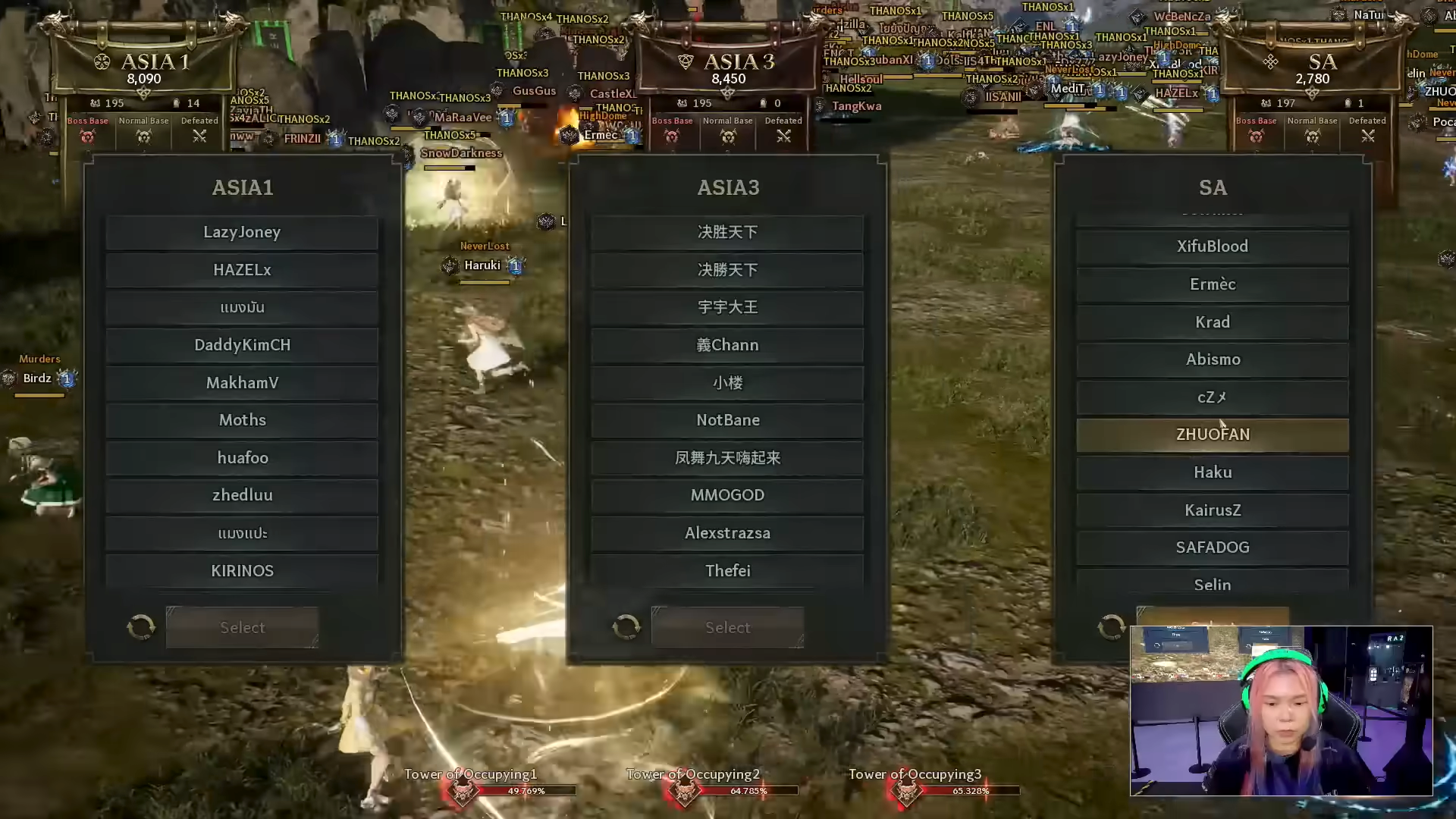
Ultimately, designing the spectator mode involved switching between two different perspectives.
One perspective shows the overall flow of the battlefield, while the other follows specific characters or key engagements that turn the tide of the match.
Server battles aren’t simply a match about racking up the most kills. You need to see which faction controls which points, where the crown is, and which skirmishes are shifting the tide of battle. Therefore, the observer screen needed to provide a wide view of the battlefield while zooming in on a specific character’s movements and key skirmishes during decisive moments.
However, the screen alone wasn’t enough. As mentioned earlier, in MMORPG server battles, it’s difficult to grasp the significance of the combat without knowing the rules and context. Someone had to quickly explain the meaning of the battle unfolding in real time and highlight the flow of the game that viewers might easily miss.
In that regard, the most obvious choice was a caster.
We didn’t just choose someone with a large following; we recruited someone who had actually played Legend of Ymir and had a deep understanding of the game. It’s hard to enjoy large-scale battles without knowing the rules and context. Explaining the situation verbally rather than through text conveys the information much more quickly.
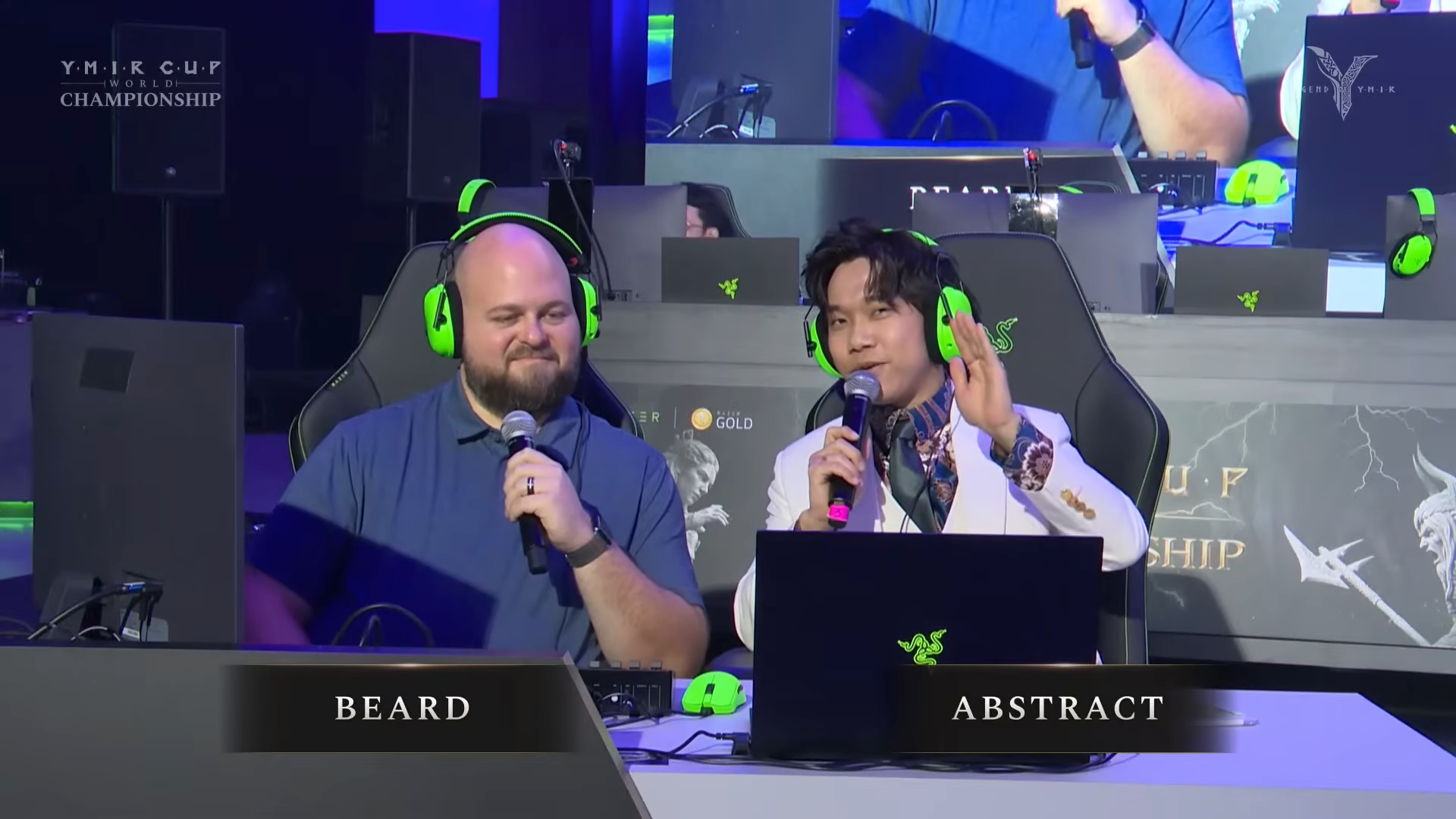
They selected the commentator based on their understanding of the game, not the number of followers.
It may seem simple, but it was a decision that prioritized “helping viewers understand” over “putting on a show.”
Of course, Season 1 wasn’t perfect.
Jae-won also candidly pointed out areas for improvement.
With nearly 600 players battling at once, it was hard to tell just by looking at the numbers who was an ally, who was an enemy, and what the current state of the battle was. For Season 2, we’re improving the structure to present that information much more visually.
However, the potential demonstrated by Season 1 was undeniable. Over 10,000 viewers used real-time chat to analyze the strength of each server and cheer each other on. At the very least, the scale of the large-scale warfare in Legend of Ymir was effectively conveyed to a global audience.
Just because a battle is large doesn’t automatically make for a good viewing experience. Only when viewers can follow what’s happening in real time can a server battle truly be experienced as a match. Season 1 was a stage that left behind both that potential and those challenges.
Unforeseen Variables Waiting On-site
Team Leader Jung Hyun-bong from the U.S. subsidiary, who oversaw this tournament, remembered as World Championship Season 1 “a series of firsts.”
It was the first time we’d ever run a tournament featuring a 600-player battle while live-streaming, and everything about a technical rehearsal on this scale was a first. From the tournament-exclusive build and global online participation to on-site operations in Singapore, and broadcasting a 600-player server battle—there were many combinations we had to figure out for the first time without any manuals to refer to.
We kept testing and making adjustments right up until the night before the tournament. But once the live stream actually started, unexpected problems arose. We thought we’d be able to adjust the match setup however we wanted, but it wasn’t something we could control at will.
One of the on-site decisions made that day was to adjust the break time. We determined that the 30-minute break scheduled between matches was insufficient for the actual setup, so we extended the break to one hour on-site to realign the schedule. Rather than strictly adhering to the planned schedule, we recalculated the operating times based on match stability and on-site readiness.
With no clear-cut answers, each department had to come together on the spot to make the best possible decisions.
Min-hoon said that the most difficult part of this process was not the technical aspects, but rather gaining “acceptance.”
The players are here representing their respective servers. They came here with a mission to do their best for the benefit of their servers. So when unexpected issues arose, the hardest part was producing a result within a short timeframe that players, viewers, and fans alike could all accept.
During actual matches, there were instances where rematches were held due to issues with the party system. Since party composition directly affects survival, cooperation, and strategy execution in large-scale PvP, the operations team had to assess whether the issue could impact the fairness of the match. While rematch is a decision that places a heavy burden on the flow of the tournament, if an issue could affect the match outcome, the most important criteria were fairness and the participants’ acceptance.
This experience helped clarify our operational standards even further after Season 1.How quickly to detect problems, what criteria to use for judgment, and how to explain the situation to participants and viewers. All of this was part of running a large-scale MMORPG tournament.
The variables from Season 1 thus became the criteria for preparing Season 2.
Singapore’s Miniature Version of Yongsan Electronics Market
There were still tasks at the Singapore venue that needed to be resolved on-site.
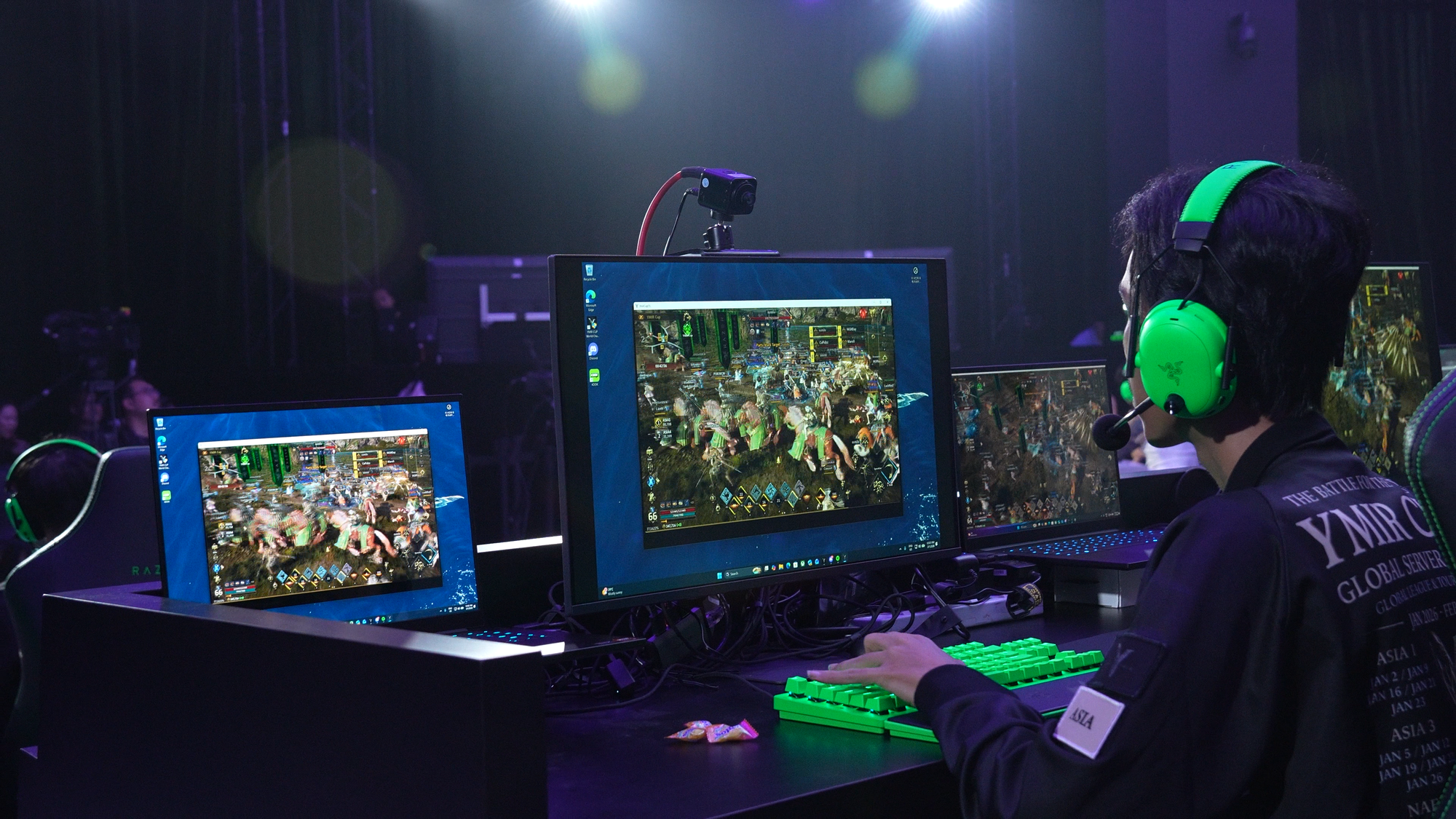
The advance team arrived in Singapore one week before the tournament. The 12 Razer laptops to be used on-site didn’t even have operating systems installed. We had to start by installing the OS, setting up the game clients, and configuring the environment for the tournament.
The problem was that this work couldn’t be completed in one go.
Since the local network environment in Singapore wasn’t as fast as it is in Korea, it took three to four hours just to set up a single laptop. On top of that, whenever the build changed due to last-minute rule adjustments, we had to delete everything we’d installed and start over.
Kang Seong-hwan, the technical PM team leader in charge of laptop setup, had to repeat the installation and reinstallation process over and over for an entire week. It wasn’t until after the tournament ended that this ordeal became an anecdote, and he was left with the nickname “Yongsan Electronics Market.”
Arranging flights and accommodations for players coming from six different countries was also a major undertaking. As the guest list changed and entry requirements and schedule variables from each country overlapped, coordinating flights became a much more labor-intensive task than expected.
When asked what was the most labor-intensive task during Season 1, Jae-won immediately cited flight arrangements.
I think booking the flights was harder than running the tournament itself.
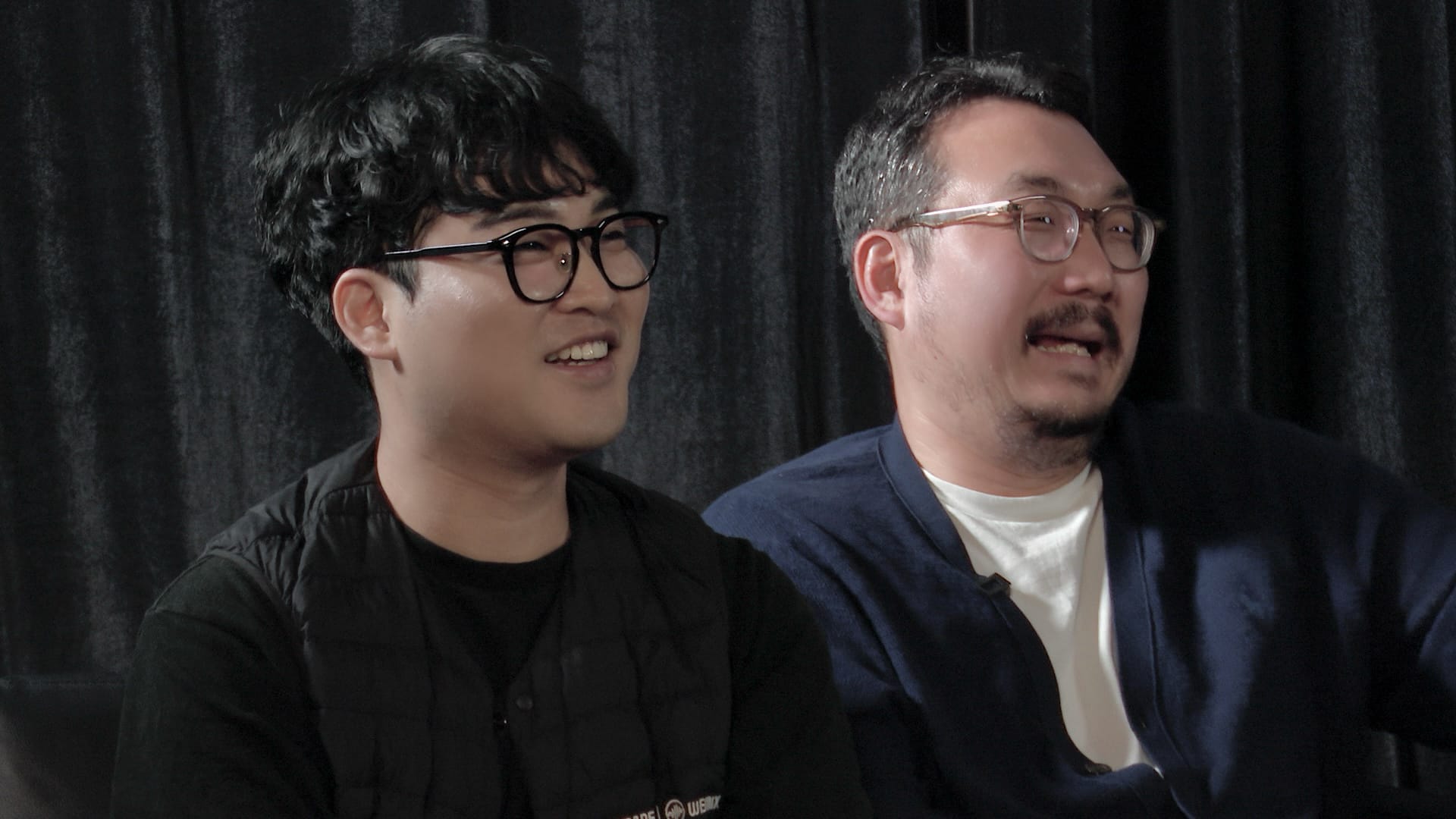
At that remark, the five people sitting at the interview table all laughed together.
Behind the scenes of Season 1 of the YMIR Cup World Championship lay that time spent on such hands-on preparations.
Users Met Outside of Discord
For Assistant Manager Park Jin-soo, in the Live Operations Team, the event in Singapore was a particularly unforgettable experience.
Having typically interacted with users through Discord and the community, he met them face-to-face at the event in Singapore. They gathered to talk about the game, were invited to the winning team’s party, and one user even jokingly asked him to press the enhancement button for them right there on the spot. The relationship, which had previously consisted only of usernames and messages online, turned into conversations filled with facial expressions and tone of voice that day.
Jin-soo said that time left a deep impression on him.
When users contact us online, it’s usually because they’re experiencing a problem with the game or have a complaint. So, they’re often upset. But when we met face-to-face at the event, everyone was so kind. It felt like a time when we got to see each other’s human side, and it became an opportunity to better understand our users.
For Jin-soo, World Championship Season 1 was a time when he could take another step toward bridging the gap with users. This was because it was a time to meet users in person, beyond Discord and online communities, and connect with them as fellow fans of the same game.
Season 2 Has Already Begun
If Season 1 was a tournament that confirmed the potential, Season 2 is the stage where we refine that potential one step further.
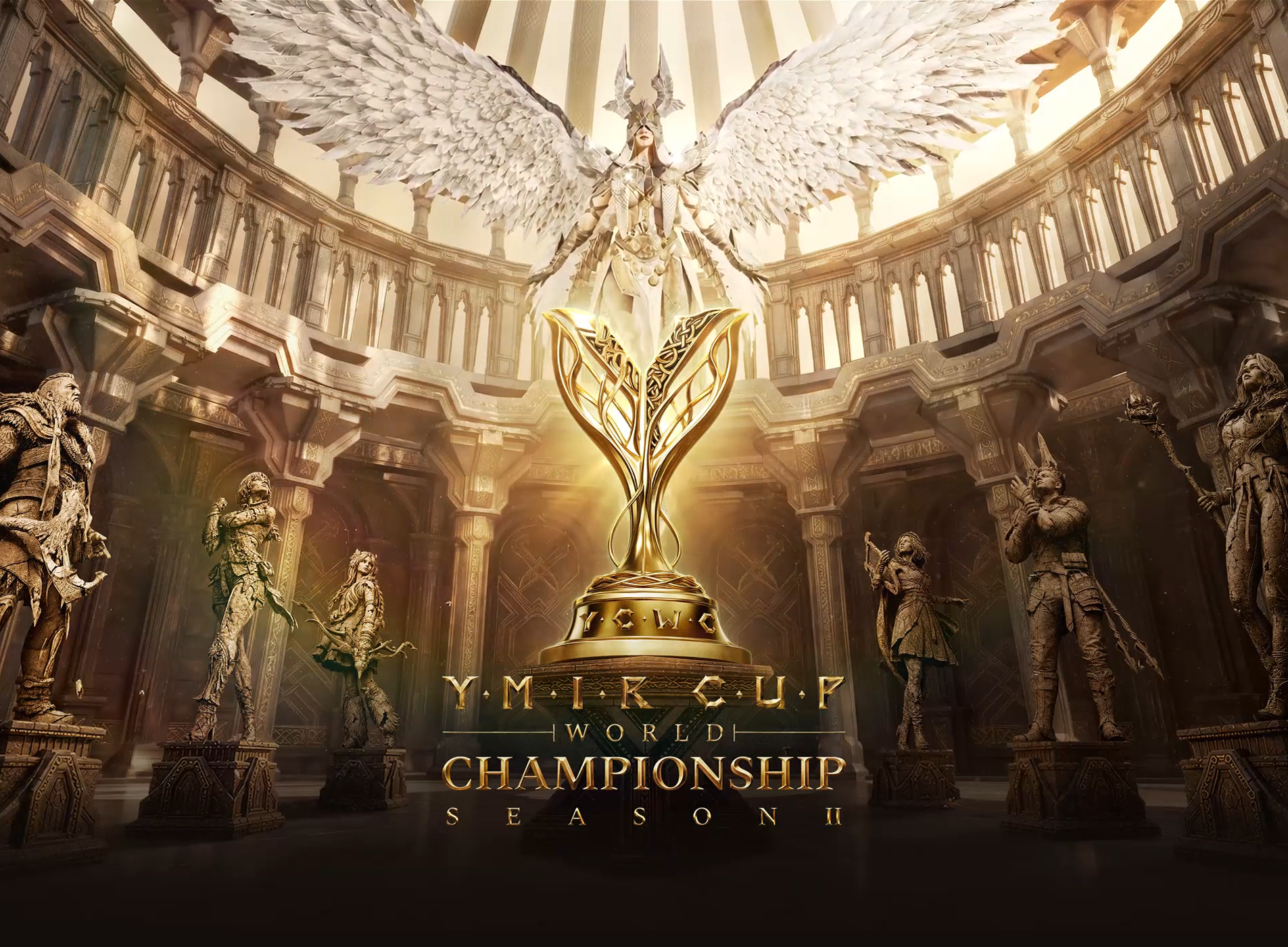
The YMIR Cup World Championship Season 2 will be held on June 27 and 28 at the SOOP Colosseum in Sangam, Seoul.
The criteria are clear: a fair competition structure that participants can trust, unwavering stability, and a viewing experience that makes it easier for viewers to follow the action. The three key challenges that defined Season 1 will continue into Season 2.