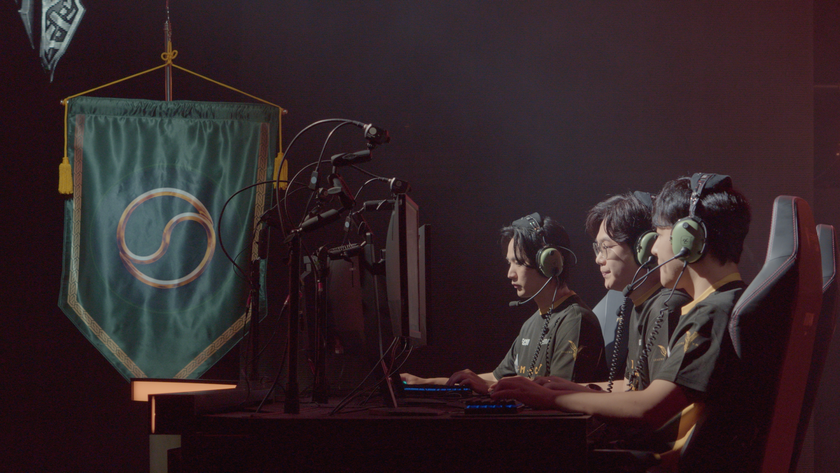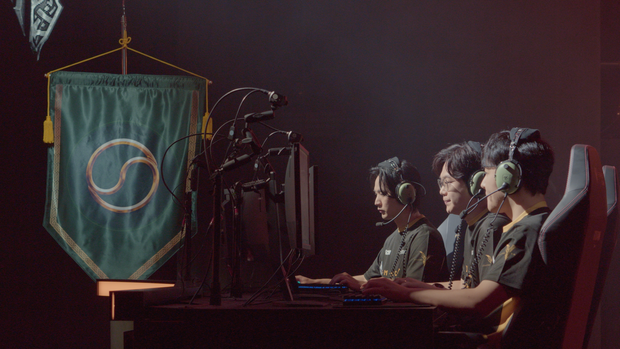
On June 27 and 28, 2026, players from Asia, North America, Europe, and South America gathered at the SOOP Colosseum in Sangam, Seoul. Although they logged into different servers, played in different time zones, and fought alongside different teammates, on this day, they all faced the same battlefield.
The YMIR Cup World Championship Season 2 was an event where representative players from various regions competed to determine the best server in Legend of Ymir.
However, simply bringing together players from around the world isn’t enough to make a tournament. What kind of behind-the-scenes preparation was needed to turn a battlefield with hundreds of participants into a single match, allow players to focus solely on the game, and enable viewers to follow the action?
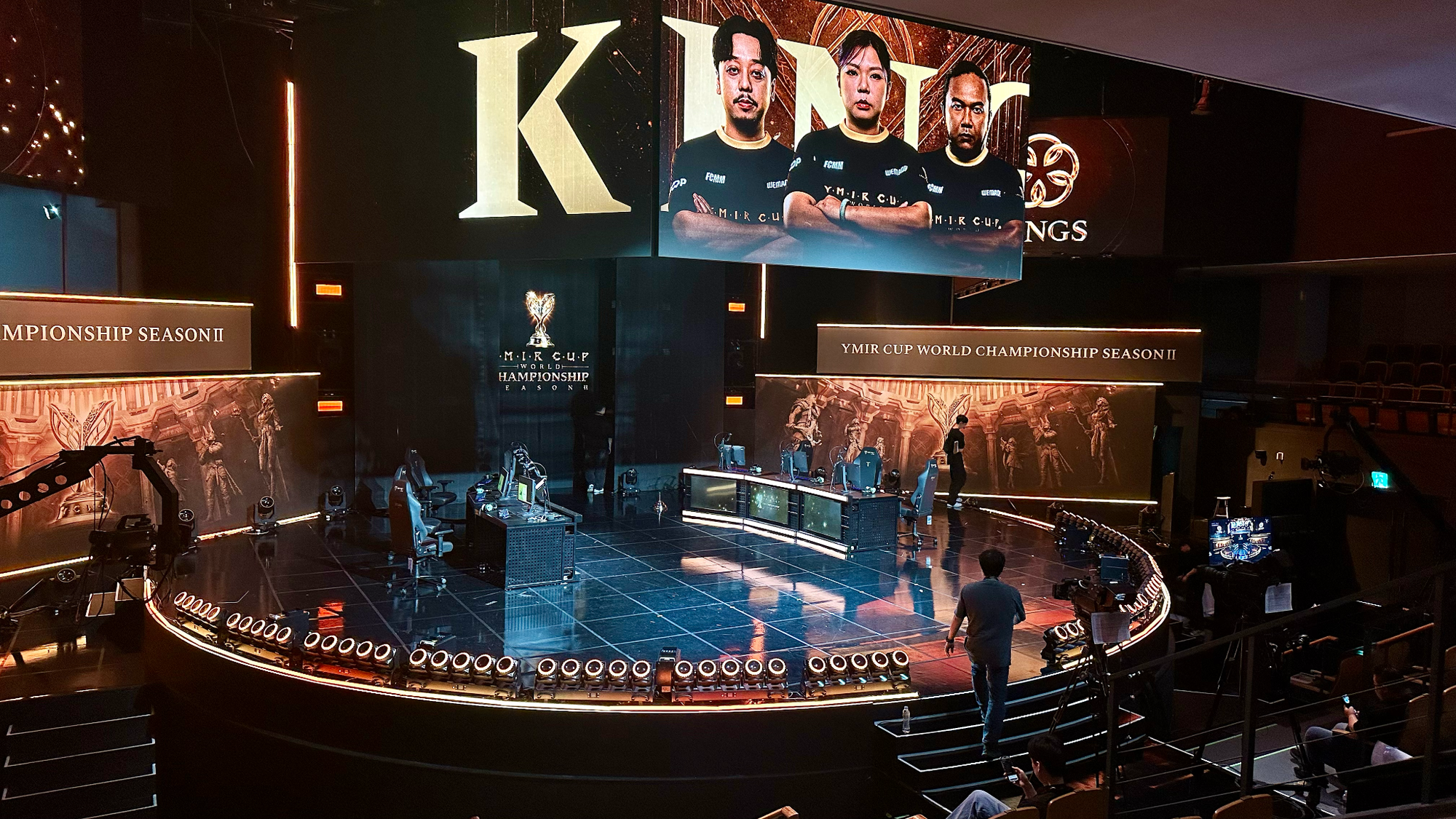
Season 2: Redesigning the Battlefield
This season, both the match format and the way matches are presented have changed.
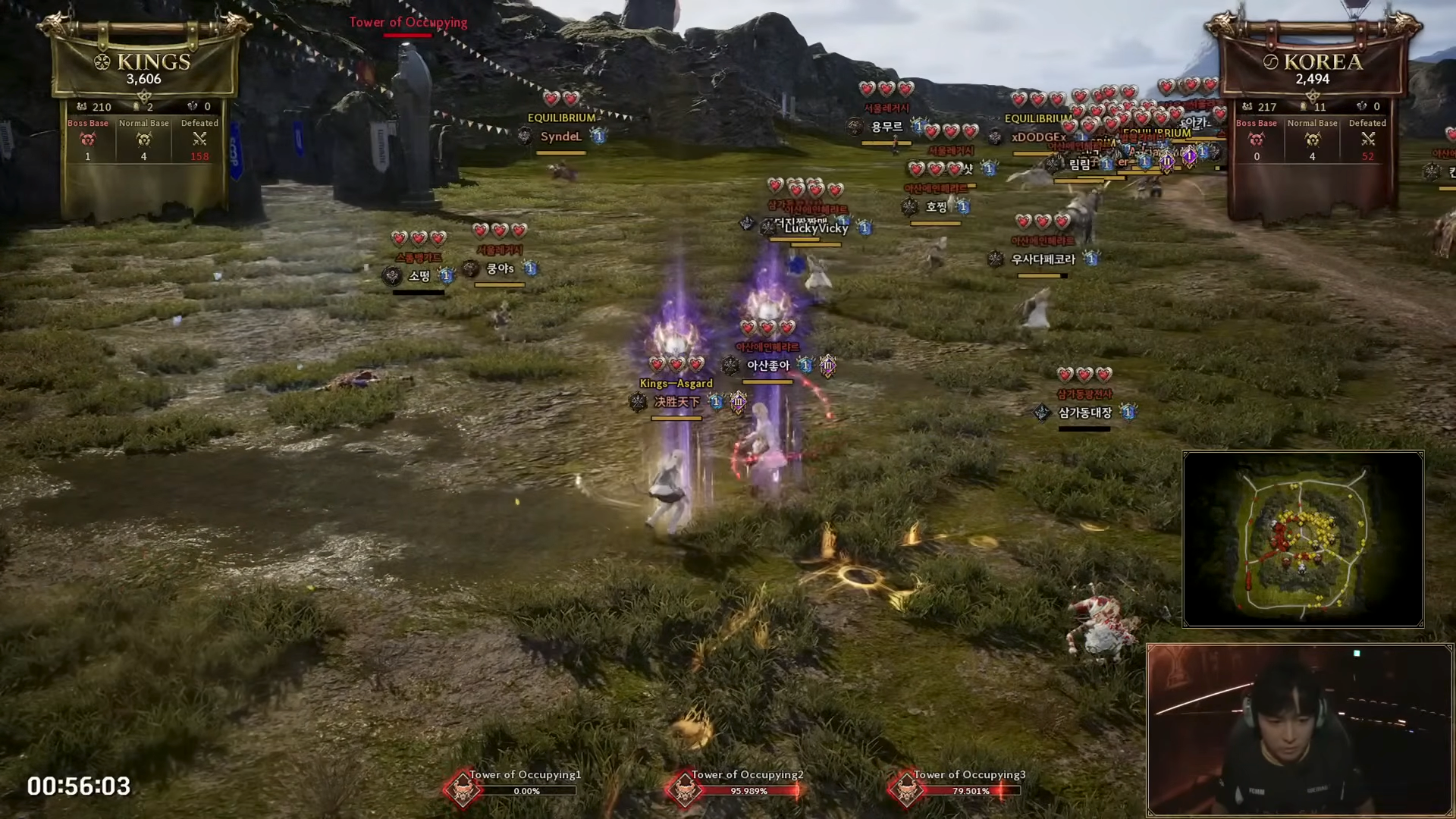
The semifinal bracket was simplified from a three-team bracket to a two-team bracket, and “Life Mode,” which limits revives to a maximum of three, was introduced. A minimap, which allows viewers to see the flow of the battlefield at a glance, and heart icons indicating players’ remaining respawn opportunities were added to the broadcast screen.
These changes were designed to make it easier for viewers to follow the flow of server battles where hundreds of players clash.
The effectiveness of these changes was clearly evident in the Legend Match held after the finals. The match pitted the global champion server, KINGS, against the KOREA server, composed of 250 Korean representative players. On the minimap, KINGS was marked with yellow dots, while KOREA was marked with red dots.
Midway through the match, as the momentum was shifting in KINGS’ favor, a single red dot appeared right in the middle of the enemy territory, a sea of yellow dots. It was the moment when “Asan,” the No. 1 player on the KOREA server, charged into the heart of the enemy territory to turn the tide of the battle.
It was a reckless charge that could easily have cost him one of his three lives, but in the end, it was the KINGS players around him whose health began to drain. As the KINGS characters were pushed back one by one and the KOREA players followed through the opening, the number of red dots began to increase on the minimap, which had previously been filled with yellow dots. The shift in the battle, playing out right on the minimap, drew audible gasps from the staff and players from other servers.
These new spectator features did more than explain the match; they brought people at the venue together to witness the same moment. However, before this scene unfolded, three things were already being prepared off-screen.
Three Key Tasks in Organizing a Tournament
Preparations for the tournament were broadly divided into three main tasks: putting players from around the world in the spotlight, clearly explaining the competition rules in advance, and conveying the battlefield—where hundreds of players fight simultaneously—in a way that viewers can understand.
Each team had a different role, but the goal was the same: a stage where players could focus entirely on the competition.
1. Making the Players the Stars
The first task was to make the players from around the world the stars of the stage.
Kim Yu-jin, a manager on the Marketing Team who coordinated the entire event this season, described the goal of Season 2 with a term slightly broader than “tournament.”
We wanted to create an experience akin to a “global festival”—one that goes beyond a simple competition to determine winners and losers, where representative players from each region gather in one place to share their gameplay and cultures. Although they compete against each other online, we hoped they would naturally bond on-site as fellow fans of the same game.
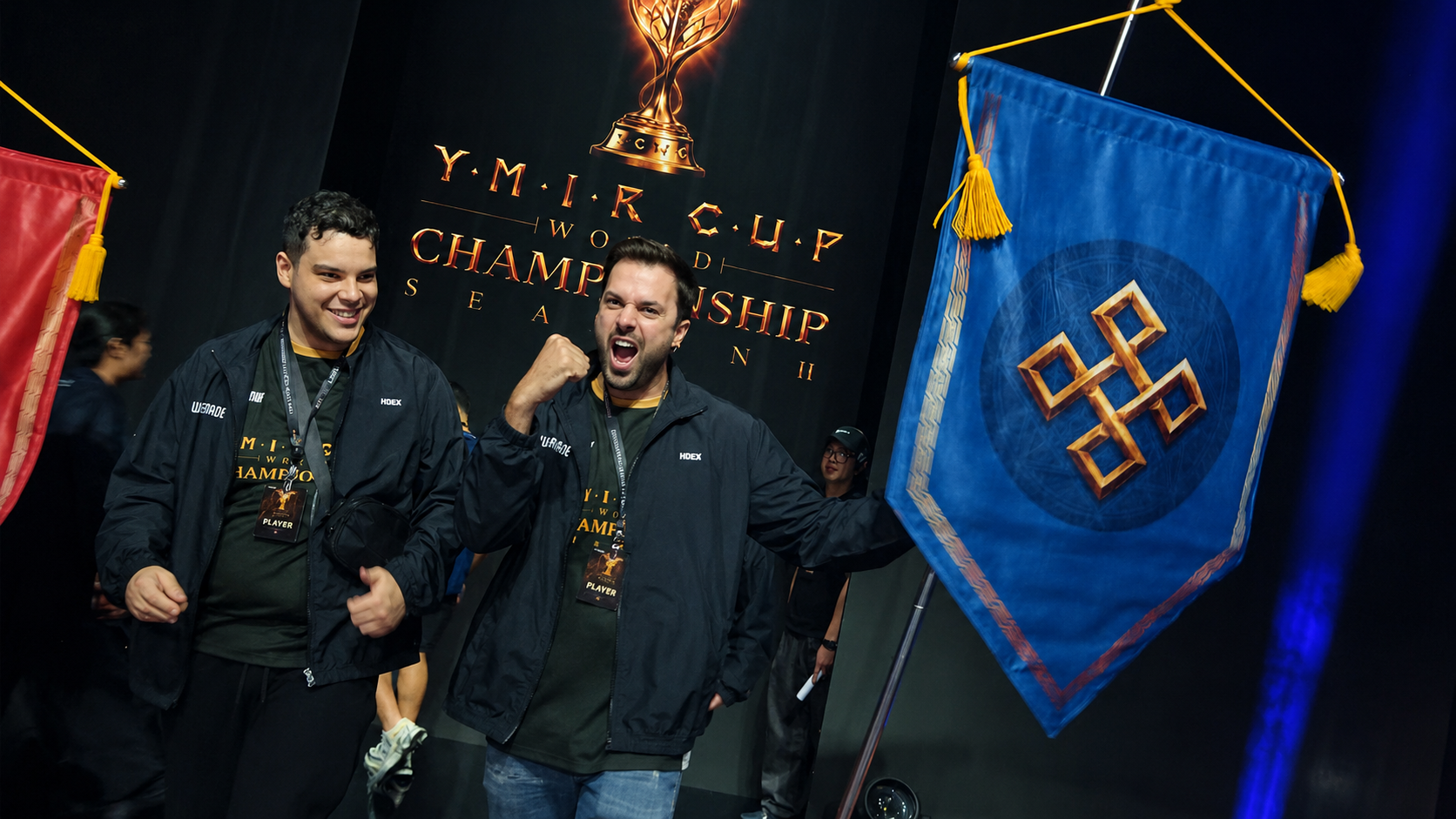
That vision translated into the stage production. She explained that just as much effort was put into the players' stage entrances and walk-on choreography—ensuring each player was introduced as a protagonist representing their region and server—as was put into the matches themselves.
Asked about memorable moments, Yu-jin mostly brought up things that had nothing to do with the matches themselves. The Brazilian players gathered in São Paulo before departing for Korea, and after the matches ended, they took photos together regardless of the outcome.
At the after-party, despite differences in language and culture, conversations centered on the game, and the players even got to ask the game's producers and directors the questions they'd been curious about.
2. Clearly Explaining the Rules
The second challenge identified by the Live Operations Team during Season 1 was the need to clearly explain the rules in advance.
Park Jin-soo, an assistant manager in the Live Operations Team who experienced both Season 1 in Singapore and Season 2 in Seoul, said that this was the most important lesson he learned while overseeing tournament setup on-site.
In Season 1, there wasn’t sufficient advance notice regarding some specific regulations, which led to confusion over the match results. We learned that it’s not just the rules themselves that matter, but also the importance of clearly explaining them in advance.
That’s why we started Season 2 with the rulebook. It took two weeks just to draft the first version of the rulebook. We distributed it to players two weeks before the tournament and continued to refine the content by incorporating their questions and feedback.
As a result, we were able to conclude the tournament without the major confusion over rule interpretations that occurred in Season 1.
3. Making the Battlefield Easy to Follow
The third challenge was to present the battlefield—where hundreds of players move simultaneously—in a way that viewers could easily understand.
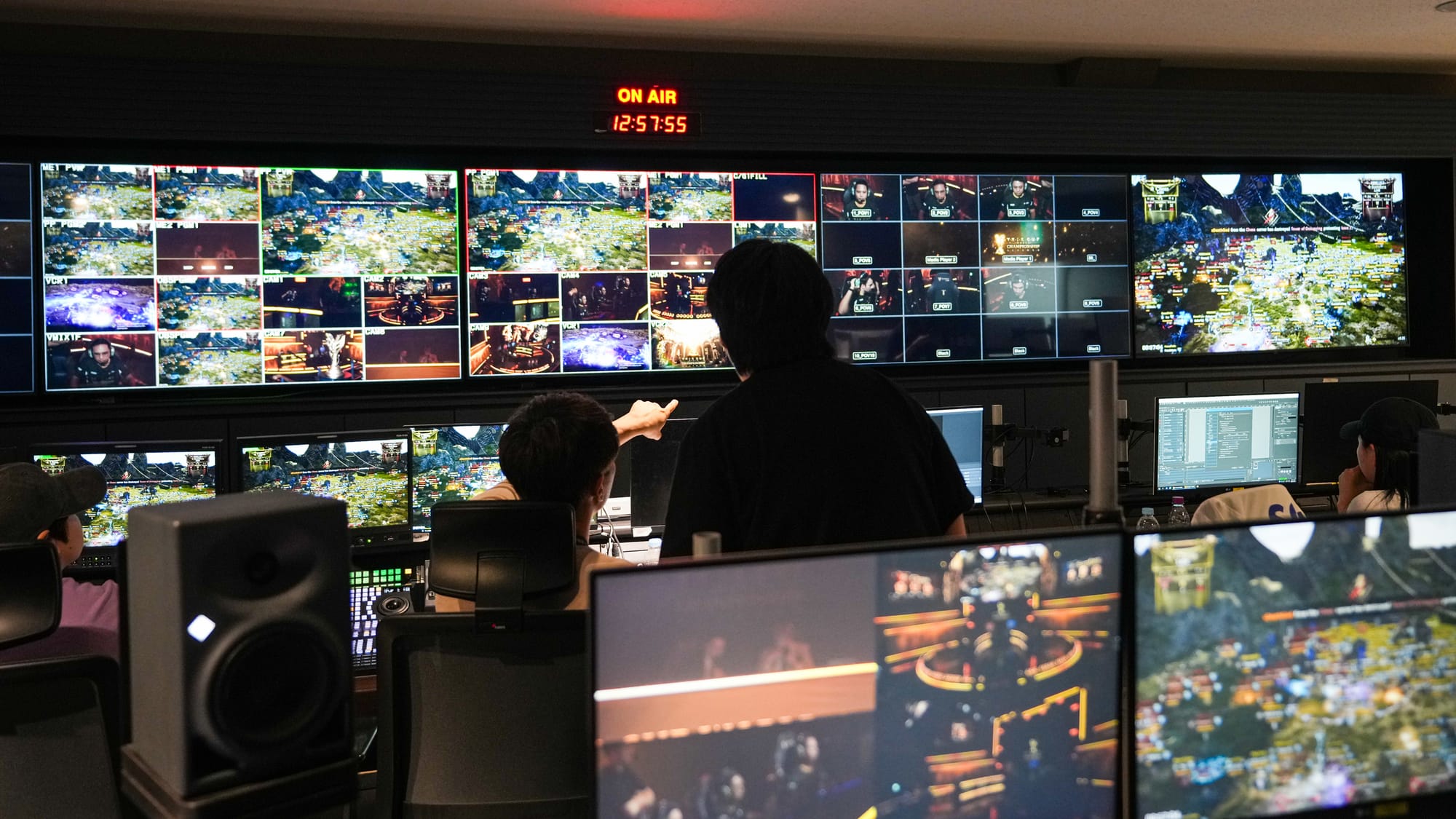
The minimap and heart icons were on-screen tools; interpreting that information for viewers required people off-screen. Here’s the story from Kim Yu-ra, Team Leader of the Game Media Team, who oversaw the entire process from broadcast planning to transmission.
We produced and released a video introducing the rules in advance for our players, and met with the broadcast team beforehand to review the changed rules and key points.
Based on this preparatory work, the broadcast team was able to incorporate the new rules and key viewing elements introduced in Season 2 into their live commentary. Even conveying to viewers the significance of a single red dot on the minimap required preparation off-screen first.
These three elements were thus intertwined. The stage production put the players in the spotlight, the rulebook established the standards for the matches in advance, and the commentary made it possible to understand the complex battlefield.
These preparations functioned seamlessly in their respective roles throughout the two-day tournament. However, the tournament did not always go exactly according to plan.
An Hour That Didn’t Go According to Plan
On the second day of the tournament, just before the start of the Legend Match, it turned out that the match settings had not been applied to the server correctly.
Jin-soo described the situation at the time as follows.
Since all matches up until then had proceeded normally, and the Legend Match had been set up in the same way, this was an unexpected problem. If left unaddressed, the players and everyone watching the live broadcast would have been left waiting with no end in sight.
The development team and the database team immediately got to work, deleting the existing data and resetting the matches, while the commentators on stage filled the unplanned airtime.
An hour passed in the broadcast booth as well.
Yu-ra said that at that moment, she first distinguished between the issues she could resolve and those she could not.
The technical issue itself was beyond my direct control. So, I took steps to ensure the live broadcast could continue. I scheduled a break to give the technical team time to identify the cause, and at the same time, I prepared two scenarios. One scenario was that the match would resume normally after the server restart, and the other was that the problem would persist, making it difficult to proceed with the tournament as scheduled.
In preparation for the second scenario, we discussed with the relevant departments how to wrap up the broadcast and what guidance to provide to players. The screen layout and commentary scripts for each scenario were relayed to the main producer. All these decisions were made while the live broadcast was still underway.
Fortunately, the issue was resolved after the server restart, and the second scenario went unused. Although it was an hour later than scheduled, the Legend Match got underway.
The scene featuring the player “Asan,” mentioned earlier, also took place during that match.
The Players, After the Stage Lights
In an interview following their semifinal loss to KINGS, the players from the NAEU004 server spoke first not about their disappointment with the result, but about the experience of standing on this stage themselves.
NECROOS from the CONCLAVE clan began by sharing his memories from Season 1.
We weren’t able to participate in this tournament during Season 1. We didn’t make it past the qualifiers. Back then, it felt like we were the only ones not invited to this festival. Our season had effectively ended earlier than everyone else’s.
But in Season 2, we became participants on this grand stage. That was the biggest difference. Even though we didn’t win the championship, we were able to be part of this stage until the very end. We’d like to sincerely thank everyone who made this experience possible.
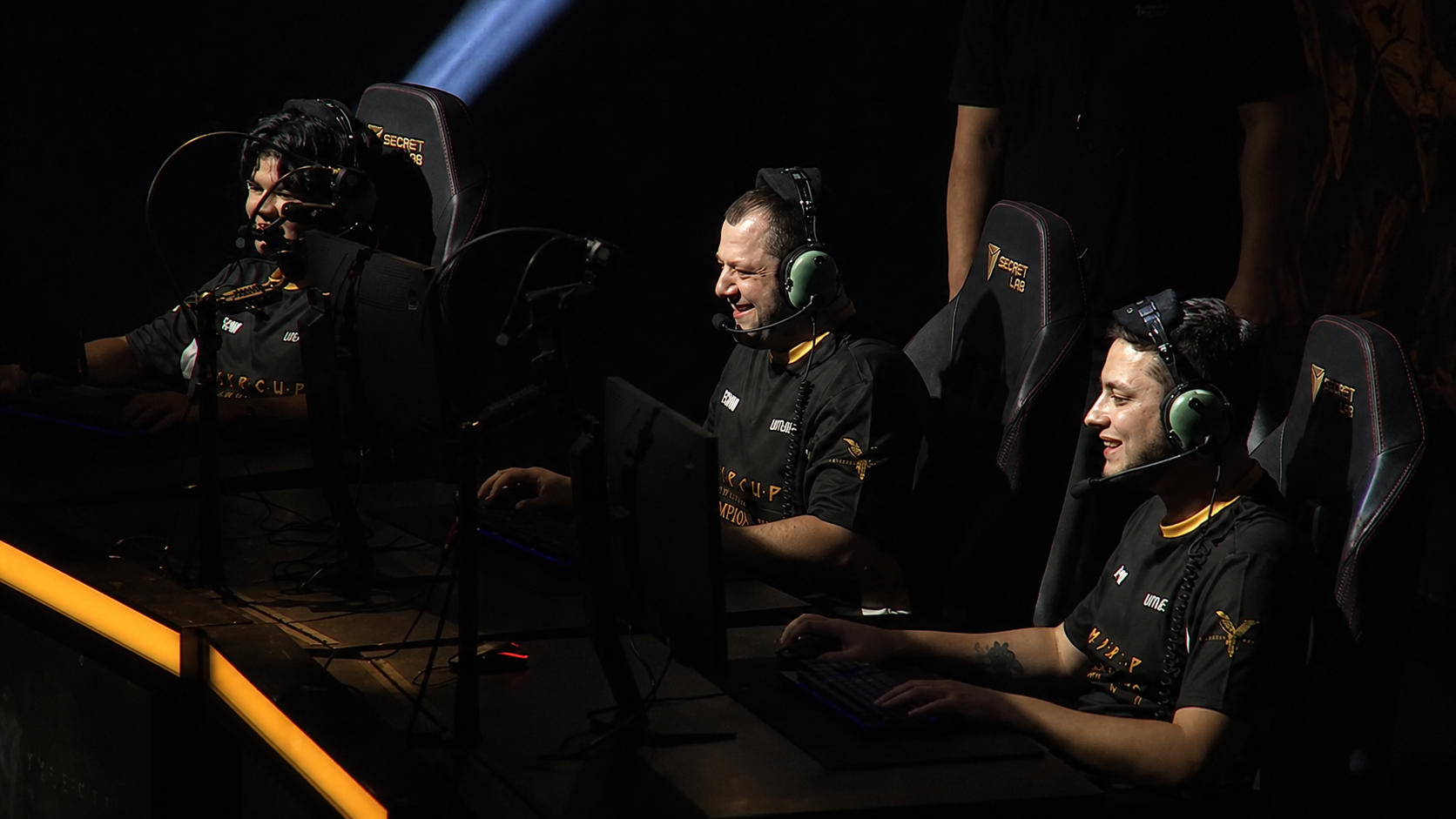
ARIETA, a player from the same clan, spoke about the difference between watching the match and actually taking the stage herself.
When you’re sitting on the couch watching, you can easily spot other people’s mistakes, and you might think, ‘I could do better.’ But once you actually step onto the stage, it’s different. You get nervous, and you feel the responsibility of representing your clan and alliance.
There’s a lot you don’t see just by watching the broadcast. I realized that a tremendous number of people did an incredible job to make all of this happen.
TOXIHOLY also gave credit to his teammates. He said he wouldn’t have made it this far without them and that he would cherish this tournament as a memory for the rest of his life.
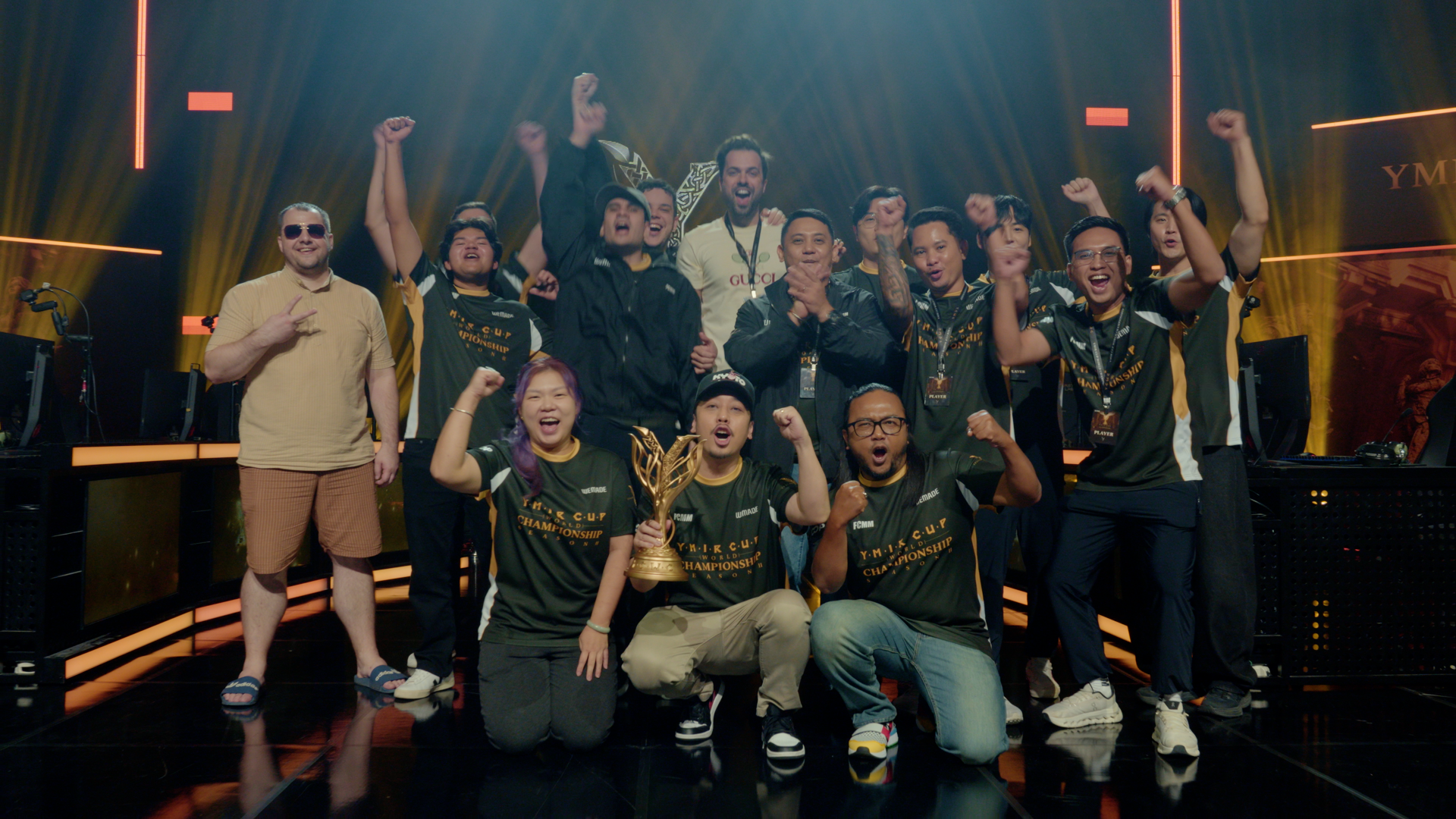
The KINGS server claimed the championship title for YMIR Cup Season 2. This season, we refined the match format, spectator experience, and rule guidelines to address the challenges identified during Season 1.
Not everything went according to plan. The Legend Match was delayed by about an hour — an issue that remains a task to address ahead of next season.
There were memorable moments even away from the scoreboard. Players from different regions and servers gathered in one place to compete on behalf of their teams, and after the matches, they shared their experiences as fellow fans of the game.
And so, Season 2 of the YMIR Cup concluded after two days of competition.
YMIR Cup World Championship Season 2 Recap Video. Source: YouTube @WEMADEGlobal